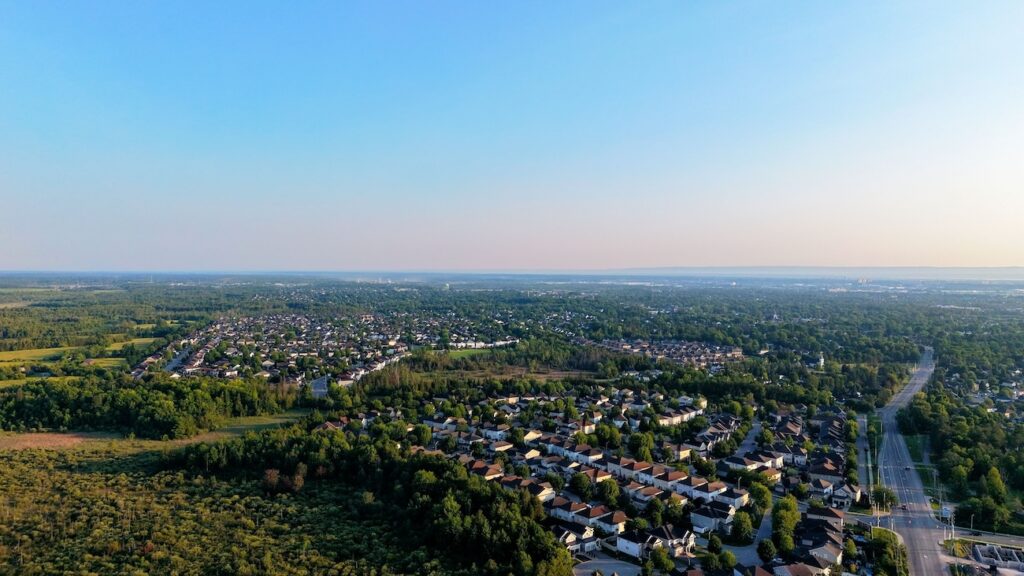
Stouffville keeps coming up in conversations among people looking to leave the denser parts of the GTA without completely disconnecting from it. The town (officially Whitchurch-Stouffville) jumped dramatically in the Globe and Mail’s Most Livable Cities ranking a couple of years ago — landing at No. 13 in Canada, second in Ontario, and first in York Region. That kind of recognition doesn’t happen by accident.
But rankings are one thing. Living here day-to-day is another. Here’s a clear-eyed look at whether Stouffville is actually a good place to live in 2026 if you’re a family, a couple, a hybrid worker, or someone simply tired of Toronto congestion.
The Short Answer
Yes – for a lot of people. Especially families who want space, safety, decent schools, and a genuine small-town feel while still having reasonable access to Toronto.
No – if you need walkable urban energy, short daily downtown commutes, or a wide range of restaurants and nightlife on your doorstep. Stouffville is quieter, more car-dependent, and still figuring out how to grow without losing the character that made it appealing in the first place.
Why Stouffville Is Getting Attention
Stouffville sits in the northeastern corner of York Region, roughly 45–55 minutes northeast of downtown Toronto depending on traffic and route. It’s nestled along the Oak Ridges Moraine, which gives it rolling hills, conservation lands, and a “country close to the city” identity that isn’t pure marketing.
The population has grown quickly — from under 50,000 a few years ago to estimates in the mid-to-high 50,000s. New housing continues to go up, yet the historic Main Street core and surrounding green spaces have so far kept more of their character than many other rapidly expanding GTA towns.
Median household income sits around $122,000, ownership rates are high, and the community skews family-oriented with a median age in the late 30s to low 40s. That demographic reality shows up in the parks, the schools, and the weekend events.
The Pros of Living in Stouffville
Safety and community feel
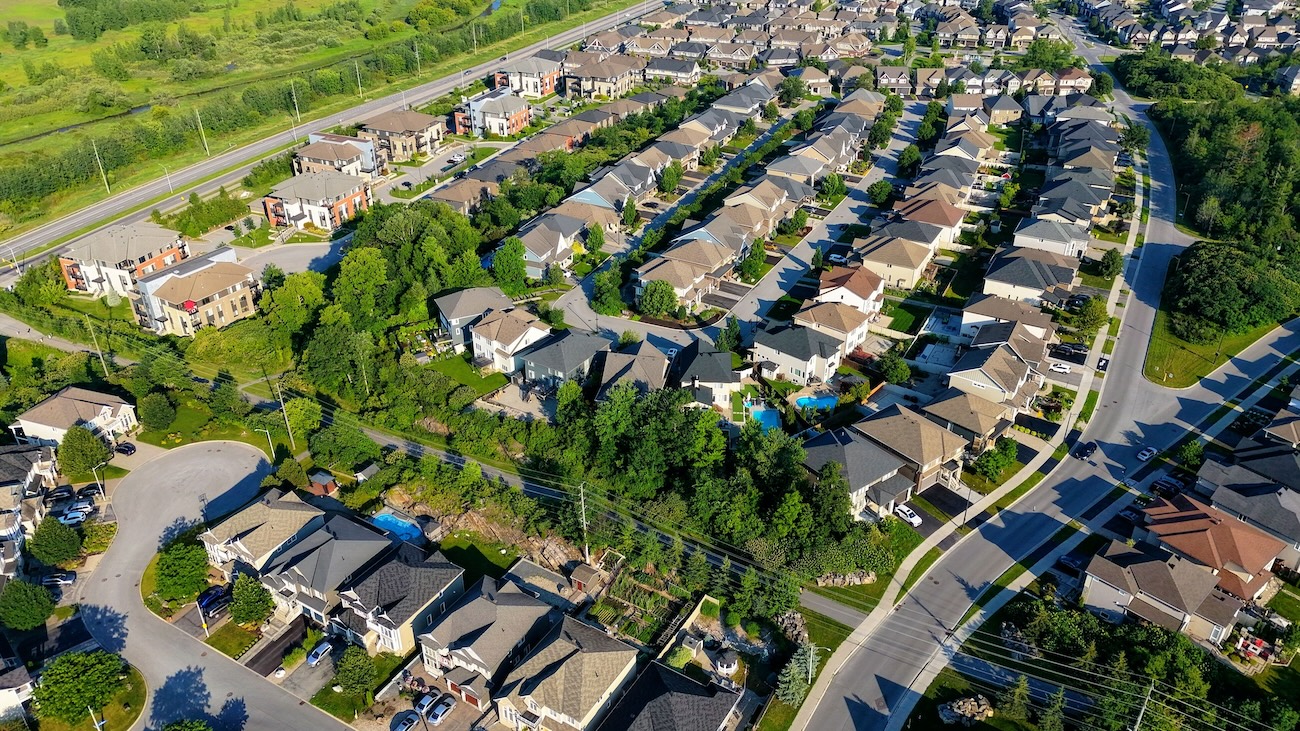
Crime rates are meaningfully lower than the Ontario average. Residents regularly describe it as a place where kids can play outside and evening walks feel comfortable. That sense of security is one of the strongest draws for families moving from denser parts of the GTA.
Family-friendly infrastructure

There are solid public and Catholic schools under the York Region boards, with French Immersion options available. New schools have opened in recent years to keep up with growth. Parks, splash pads, trails, a leisure centre with pool and gym, and a library form the backbone of everyday family life. Community events — the Strawberry Festival, holiday markets, movies in the park — still feel local rather than staged for tourists. If you’re raising kids here, you’ll also appreciate the wider list of free things to do with kids across Ontario.

Nature access
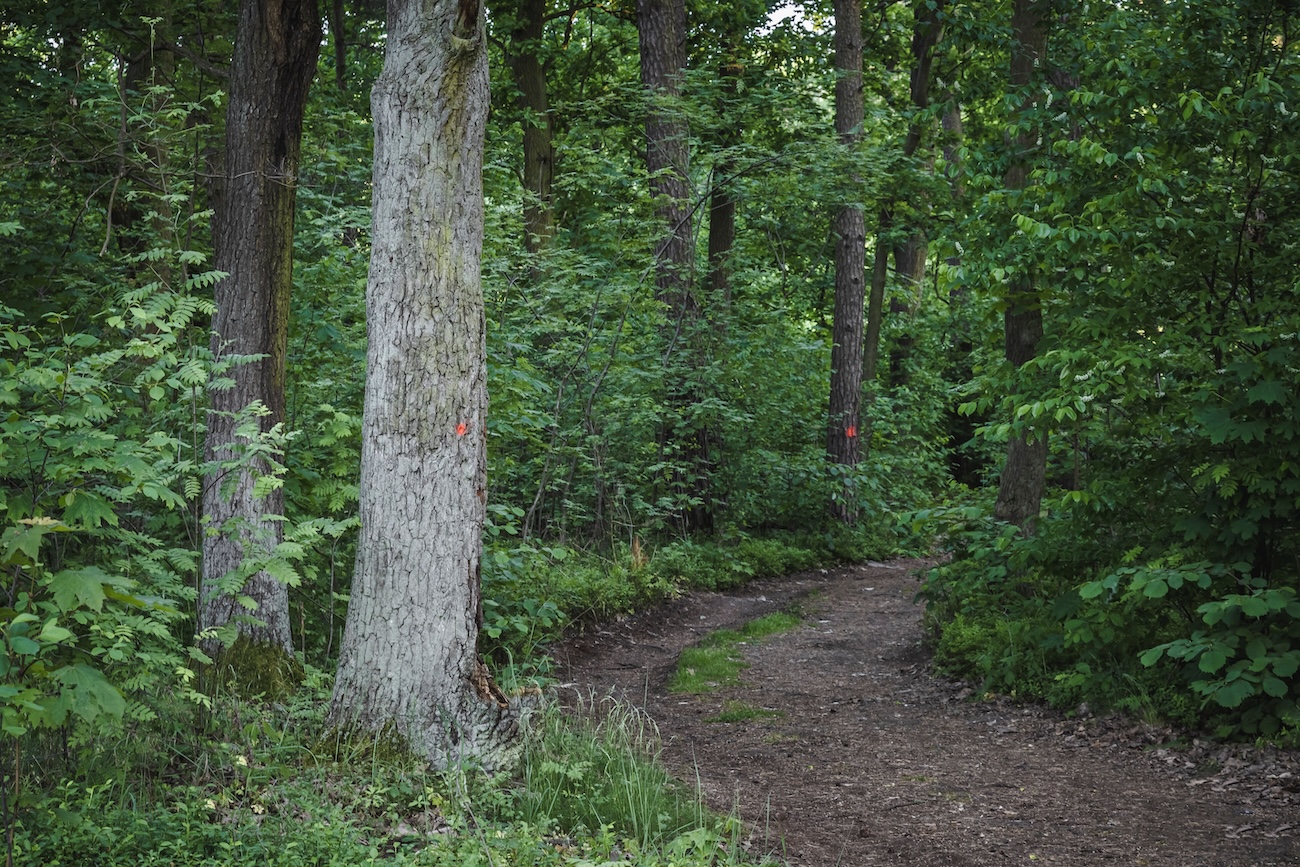
You’re on the edge of the Oak Ridges Moraine and close to Bruce’s Mill Conservation Area, York Region Forest trails, and the Rouge. Weekend hiking, cycling, and outdoor time don’t require a long drive. For many people this is the real quality-of-life upgrade over more built-out suburbs. Stouffville also makes a solid base for exploring some of Ontario’s quieter outdoor spots — from hidden gems to conservation areas and provincial parks that feel a world away from the city.
Relative value
Housing prices have cooled from earlier peaks. Recent 2026 data shows average and median prices for all home types hovering in the $1.05–1.2 million range, with detached homes higher and townhomes offering a more accessible entry point. Compared with closer York Region municipalities, Stouffville still delivers more space for the money. It’s not cheap by any Ontario standard, but it remains one of the more realistic options for families who have been priced out of Markham or Richmond Hill.
Small-town texture that hasn’t fully disappeared
Main Street still has independent shops, cafés, and a walkable stretch that feels like an actual town centre rather than a power centre. Neighbours tend to know each other. That social fabric is real, even as new subdivisions expand outward.
The Honest Cons
Car dependency is real
Walk Score and Transit Score numbers are low. Most errands require a vehicle. Commercial activity is concentrated in certain areas, so the east side of town often means driving across to the west for basics. If you dislike driving or want a car-light lifestyle, this will frustrate you.
Dining and nightlife are limited
Residents are blunt about this: restaurant options are narrower and less consistent than in Markham or further into the GTA. Chains and a handful of independents cover the basics, but variety is thinner and quality can be hit-or-miss. Late-night options are almost nonexistent. Many people simply drive 10–20 minutes to Markham when they want more choice.
Growth brings growing pains
New construction, traffic on key corridors, and infrastructure that sometimes lags behind the population are ongoing realities. Some long-time residents mention frequent power blips and the feeling that the town layout wasn’t fully designed for the volume of people now living here. The small-town charm is still present, but it’s under pressure.
The commute is manageable but not short

The Stouffville GO line gets you to Union Station in roughly 50–70 minutes depending on the train and stops. Peak service is solid; off-peak is thinner. Driving via the 404 is an option but subject to the usual GTA highway realities. Hybrid workers do fine. Daily downtown office workers need to be realistic about the time cost. When you do want a change of scenery on weekends, places like Muskoka or Ontario’s better beaches are realistic day or overnight trips.
Cost of Living and Housing in 2026
Housing is the biggest expense, as expected. Detached homes still dominate sales, with townhomes providing a more attainable path for some buyers. The market has shown buyer-friendly conditions in parts of 2026, with longer days on market and more inventory than in the peak years.
Day-to-day costs (groceries, utilities, gas) track higher than smaller Ontario towns but are generally competitive within the GTA context. Property taxes in York Region are relatively favourable compared with some neighbouring municipalities. Overall, the cost of living sits above the national average but reflects the location and income levels of the community.
Schools and Raising a Family
Parents generally rate the school options positively. Public and Catholic elementary and secondary schools serve the area, with French Immersion and some specialty programming available. Capacity has been an issue in the fastest-growing pockets, but new facilities have helped. The combination of lower crime, parks, recreation programs, and a family-heavy demographic makes Stouffville feel purpose-built for raising kids — provided you’re comfortable with the car-dependent logistics.
Who Stouffville Works Best For
- Growing families who prioritize space, safety, and community over urban density
- Hybrid or remote workers who can absorb a longer occasional commute
- People who actively use parks, trails, and outdoor spaces
- Buyers looking for more house and lot than they can get closer to Toronto at a similar price
Who Should Probably Look Elsewhere
- Anyone who wants daily walkability and a dense mix of restaurants, shops, and culture
- Strict transit-dependent households
- People who need a short, predictable downtown Toronto commute every weekday
- Those who find suburban growth and construction noise draining
FAQ
Is Stouffville safe?
Yes. Crime rates are notably lower than the Ontario average, and residents consistently describe it as a secure, family-oriented community.
How long is the commute from Stouffville to Toronto?
GO Train service to Union Station typically runs 50–70 minutes. Driving times vary widely with traffic.
What is the average home price in Stouffville in 2026?
Recent figures put average and median prices for all home types in the $1.05–1.2 million range, with detached homes higher and townhomes lower.
Are the schools in Stouffville good?
They are generally well-regarded within the York Region system, with both public and Catholic options and French Immersion available. New schools have opened to support growth.
Is Stouffville more affordable than Markham or Richmond Hill?
In many cases yes — especially for larger homes and lots — though “affordable” is relative in today’s GTA market.
Stouffville isn’t trying to be Toronto-lite or a polished cottage-country escape. It’s a growing York Region town that still has trails within reach, a Main Street that feels like a real place, and enough space that kids can actually play outside. Whether that combination works for you depends on what you’re willing to trade — and what you actually value most in a place to live.