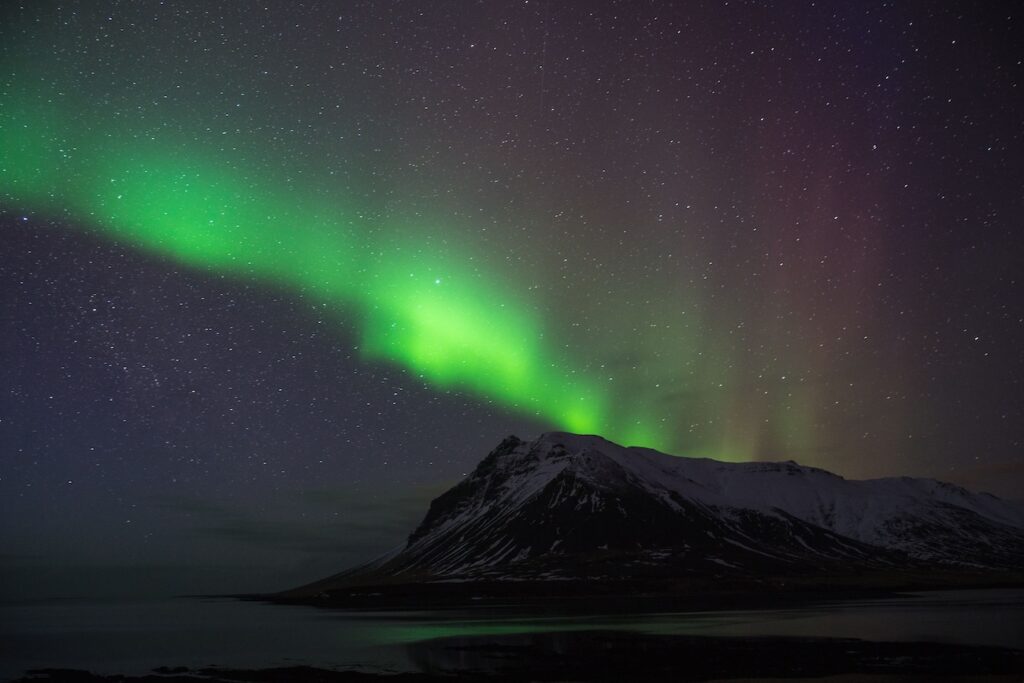
If you’re looking for Pukaskwa National Park northern lights, this remote stretch of Lake Superior shoreline near Marathon is one of the strongest options in Ontario. The park delivers some of the darkest skies in the province and wide-open northern views over the water. No city glow. Just the longest undeveloped coastline on the Great Lakes and a real chance to catch the aurora. It also ranks among the better Ontario hidden gems for travellers who want something quieter than the usual destinations.
I’ve spent clear September nights here waiting for the sky to light up. Sometimes you get a faint green arc. Sometimes the whole northern horizon moves. The key with Pukaskwa National Park northern lights is realistic expectations, good timing, and knowing exactly where to stand.
Here’s the practical guide for 2026.
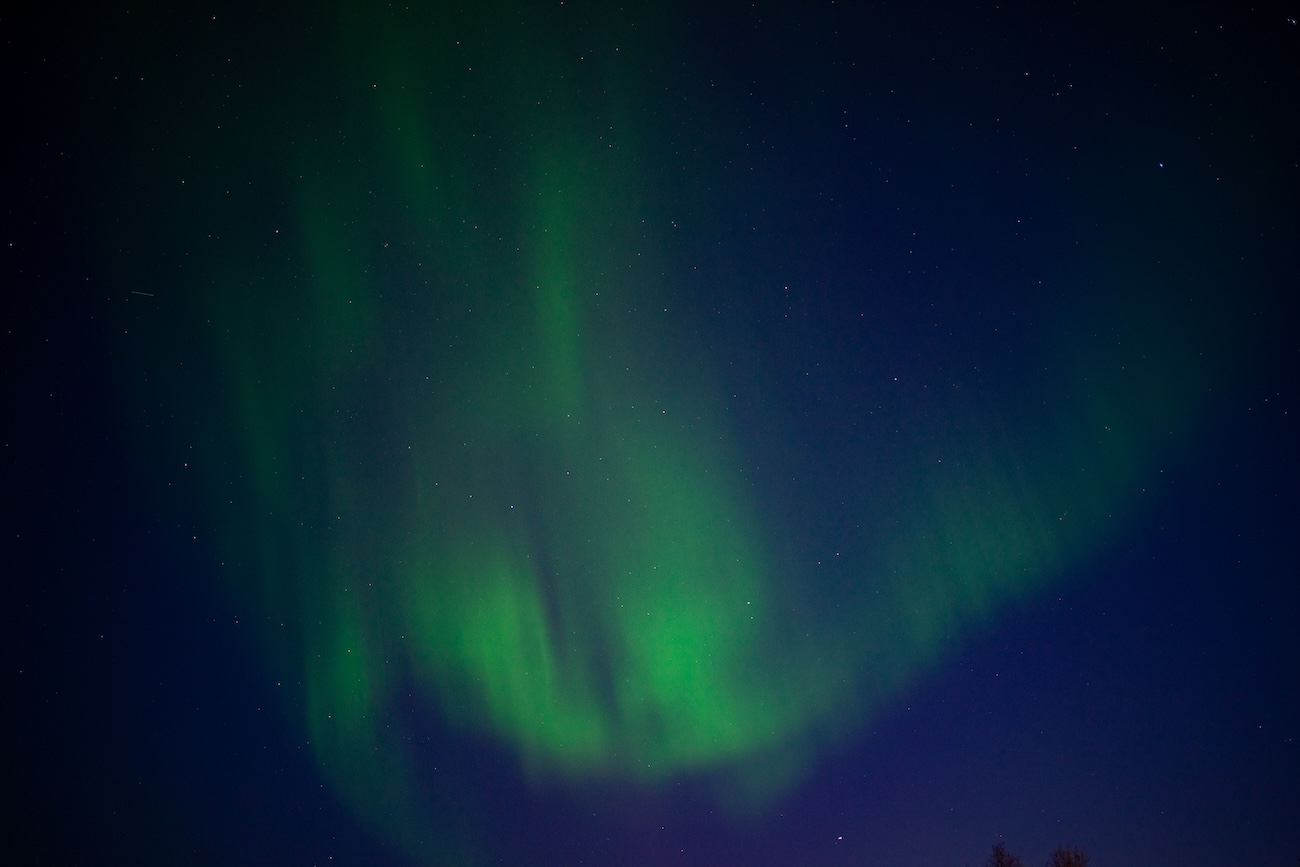
Best Time for Pukaskwa National Park Northern Lights
The park runs as a three-season destination. Facilities and road access are open from mid-May to mid-October (weather dependent). That window lines up well with the start of stronger aurora season.
Best period for Pukaskwa National Park northern lights: late August through early October. Nights get longer, the park is still fully open, and the fall equinox often brings elevated geomagnetic activity. September and early October give the best mix of darkness, milder temperatures, and working park services.
Solar Cycle 25 peaked in 2024–2025. Activity is declining in 2026 but remains high enough that solid displays still reach northern Ontario on good nights. You won’t get Arctic frequency, but you can get strong shows when the Kp index hits 4+ and the sky stays clear.
Best viewing hours: 10 p.m. to 2 a.m. Moon tip: Target new moon or crescent phases. A bright full moon washes out weaker displays.
Before you go, check:
- SpaceWeatherLive or NOAA aurora forecasts
- Local cloud cover (Superior weather shifts fast)
- Moon phase
Clear, cold nights with a dark moon give the highest odds for Pukaskwa National Park northern lights.
Best Viewing Spots for Northern Lights at Pukaskwa
The open water of Lake Superior is a major advantage. It creates an unobstructed northern horizon and occasional reflections.
Easiest and most reliable spot: Middle Beach From Hattie Cove Campground, take the short Beach Trail. Middle Beach offers strong northern exposure over the lake. This is the most consistent place visitors use for Pukaskwa National Park northern lights. Walk out after dark with a red-light headlamp and wait. The rocky and sandy stretches here also rank among the more dramatic Superior shoreline experiences — worth comparing with other best beaches in Ontario if you’re building a longer coastal trip.
Backcountry coastal sites For darker skies, the Coastal Hiking Trail and paddle-in campsites put you farther from any residual light. North-facing beaches and rocky points work especially well. These require more planning but deliver the purest experience of northern lights at Pukaskwa National Park.
Hattie Cove itself is convenient as a base, but the short walk to the beach noticeably improves the view.
Camping Options When Chasing Pukaskwa National Park Northern Lights
Hattie Cove Campground
67 vehicle-accessible sites on a first-come, first-served basis. Arrive early in peak season. The South Loop stays open longer into fall. Full services (flush toilets and showers) run through mid-September; reduced services and rates apply afterward. This is the most practical base for easy access to Middle Beach.
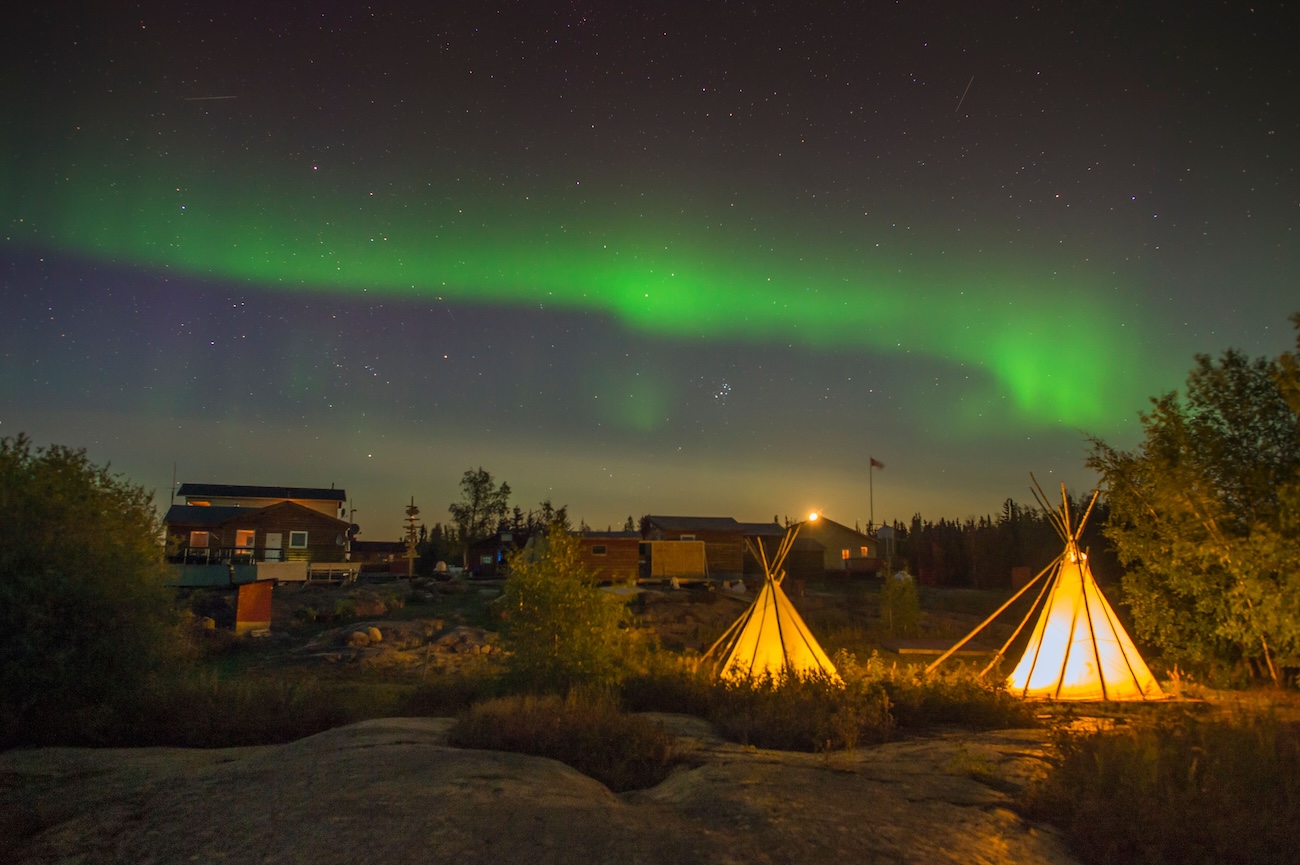
oTENTik
A good middle ground — tent-cabin hybrid with beds, electricity, and a wood stove. Reservable in advance. Ideal if you want more comfort while still staying close to the best viewing areas. Current rates sit around $147.50 per night.
Backcountry
65 designated sites along the Coastal Hiking Trail and paddling routes. Open May 15–October 14 (weather permitting). You must reserve and complete a mandatory safety orientation. Cost is $15 per person per night. These sites give the darkest conditions for Pukaskwa National Park northern lights but demand experience with Superior weather, bears, and rugged terrain.
Book oTENTik and backcountry through the Parks Canada system or by calling 1-877-RESERVE. Frontcountry remains first-come only.
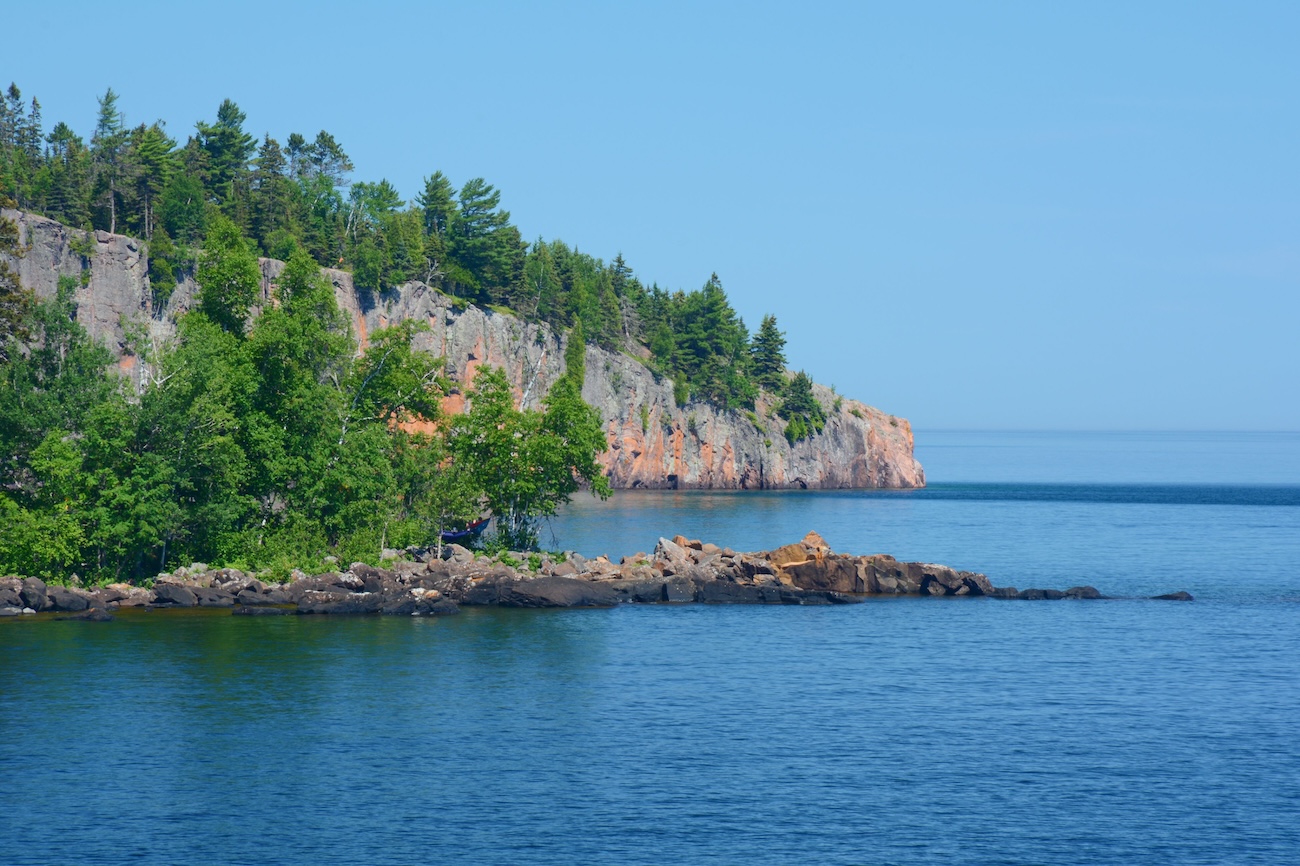
Practical Tips for Seeing the Northern Lights at Pukaskwa
- Pack warm layers even in September — temperatures drop quickly once the sun sets over the lake.
- Use a red-light headlamp so you don’t ruin night vision.
- Bring a tripod if you want photos. Modern phones in night mode often pick up colour your eyes barely register.
- Check the forecast the same day. Cloud and fog can roll in fast.
- Follow strict bear safety: use food lockers and keep a clean camp.
- Cell service is limited. Download offline maps and share your plans.
Good daytime pairings include the White River Suspension Bridge hike, short coastal walks from Hattie Cove, or a paddle in the protected cove (rentals available in season). Families looking for low-cost activities while based here can also draw ideas from free things to do with kids in Ontario.
Getting to Pukaskwa National Park
From Thunder Bay: about 3.5 hours. From Sault Ste. Marie: about 5 hours. Take Highway 17 to Highway 627 (just east of Marathon), then south 15 km into the park. Stock up in Marathon — supplies inside the park are limited.
Realistic Expectations for Pukaskwa National Park Northern Lights
You will not see the aurora every night. Clear skies and solar activity still have to align. When they do, watching the lights move over the black water of Lake Superior from a quiet beach ranks among the best night-sky experiences available in Ontario without a long northern flight.
Even on quiet nights the Milky Way and stars are excellent here. That alone makes the trip worthwhile.
FAQ – Pukaskwa National Park Northern Lights
Can you see northern lights at Pukaskwa in summer?
Possible in late August during stronger activity, but nights are short. The better odds start in September.
What’s the best campsite for aurora viewing?
Any site near Hattie Cove with easy access to Middle Beach, or a north-facing backcountry coastal site.
Do I need a guide for Pukaskwa National Park northern lights?
Not for Hattie Cove and Middle Beach. Backcountry paddling or multi-day hiking benefits from experience or a guided trip.
Is the park open in winter?
Facilities and road access close for the season. Winter visits are not practical for most people.
How far is Pukaskwa from Toronto?
Roughly 12–14 hours of driving. Most visitors base out of Thunder Bay or turn it into a longer northern Ontario trip.
Pukaskwa rewards people who plan around the shoulder season, watch the forecasts, and are willing to stay up late. Get the timing and location right, and you give yourself a genuine chance at strong Pukaskwa National Park northern lights.