If you’ve spent any time in Niagara wine country (or even just staring at labels at the LCBO), you’ve seen the word “estate” everywhere. Estate Winery. Estate Grown. Estate Bottled. It sounds premium. But what does it actually mean?
Here’s the straight answer.
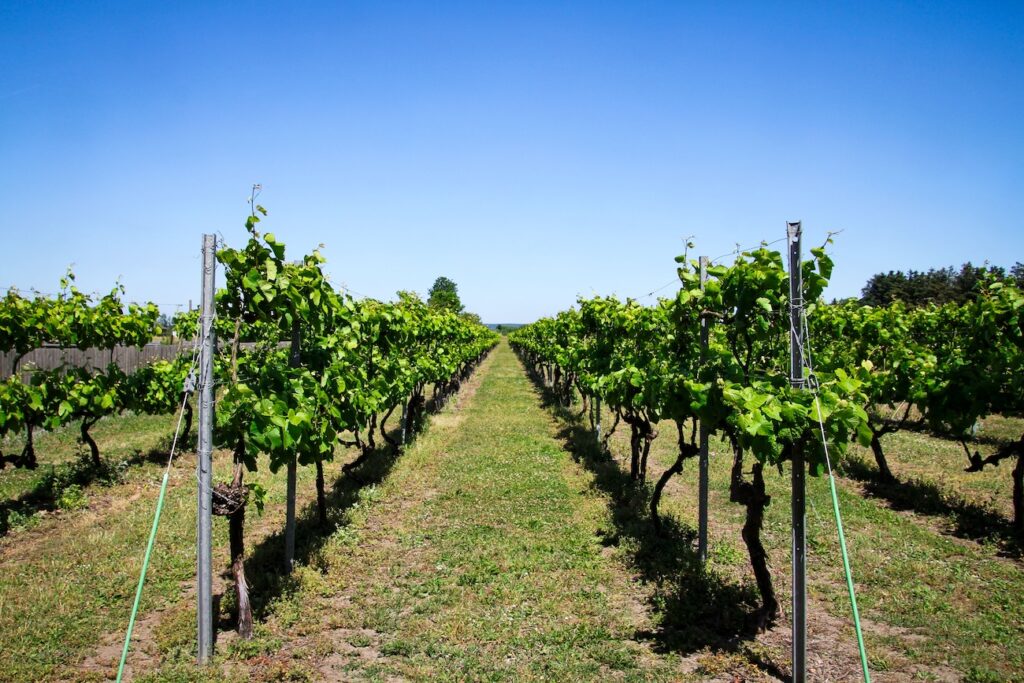
An estate winery is a winery that grows its own grapes and produces the wine on the same property (or land it controls). The winery oversees the process from vine to bottle instead of buying grapes or juice from someone else. Visiting a true estate winery often feels different because you can see the vineyards right outside the tasting room.
That control is the whole point. When a winery farms the fruit itself, it decides how the vines are managed, when the grapes are picked, and how the wine is made. You’re tasting a more direct expression of a specific place.
Estate Bottled vs Estate Grown — The Difference That Matters
This is where things get confusing, because not every use of the word “estate” carries the same weight.
- Estate Grown is often marketing language. It usually means the winery grew the grapes, but the rules around it are looser depending on the region. It doesn’t always guarantee the wine was made and bottled on-site.
- Estate Bottled is the stricter, regulated term — the one with real teeth.
In the United States, “Estate Bottled” has specific federal rules. In Ontario, the VQA system has its own clear standards.
How Ontario VQA Rules Work for Estate Bottled

Under Ontario’s VQA regulations, a wine can only be labelled Estate Bottled if it meets these requirements:
- The wine is made entirely from Vitis vinifera grapes (with a limited exception for Vidal used in Icewine) grown on land owned or controlled by the bottling winery.
- That land must be located within a recognized viticultural area.
- The winery must handle the harvesting, crushing, fermenting, finishing, aging, and bottling.
- The finished wine cannot leave the winery’s premises before it is bottled.
- There is a restriction: a winery generally cannot claim “Estate Bottled” during the first three years of a leasehold arrangement.
If a wine carries the “Estate Bottled” designation, the label must also declare the viticultural area where the grapes came from.
In short: true Estate Bottled wine in Ontario means the winery controlled the fruit and the entire production process on its own site. That’s a meaningful claim — and one that defines a genuine estate winery.
Why Estate Wines Often Taste Better (and Cost More)
Full control doesn’t automatically make a wine great — skill still matters. But it removes a lot of variables.
When a winery grows its own fruit, it can:
- Manage yields and canopy for quality over quantity
- Pick at optimal ripeness instead of on someone else’s schedule
- Get grapes from vine to crush pad quickly (important in a cool climate like Ontario’s)
- Build a consistent understanding of a specific site over multiple vintages
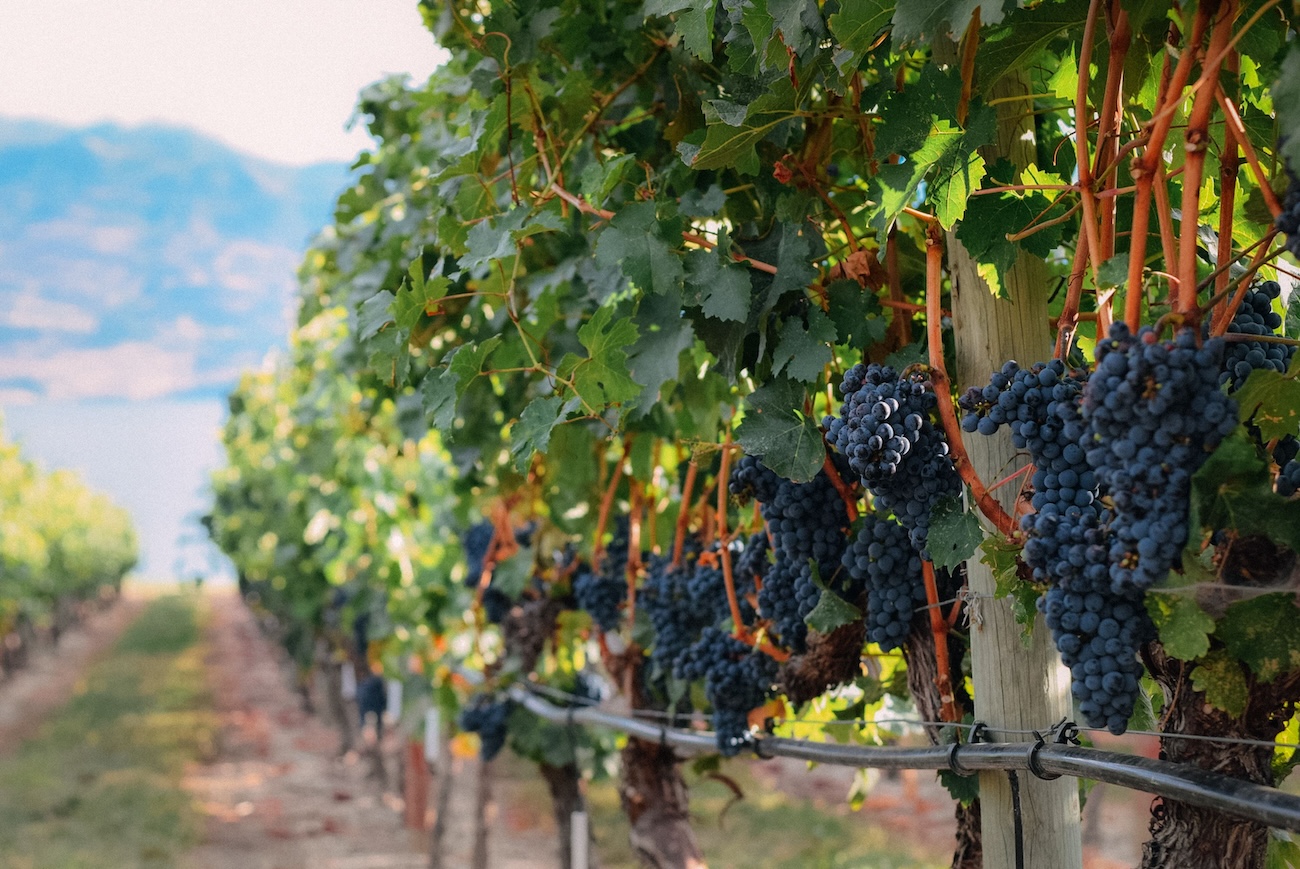
Estate wines also tend to cost more because growing grapes is expensive and labour-intensive. You’re paying for land, farming, and the risk that comes with producing everything yourself.
Many of the most distinctive Ontario wines come from producers who farm their own vineyards. That doesn’t mean non-estate wines are bad — plenty of excellent wines are made from purchased fruit. It just means the “estate” claim tells you something real about how the wine was made, especially when it comes from a dedicated estate winery.
Estate Winery vs Regular Winery: Quick Comparison
| Aspect | Estate Winery | Typical Non-Estate Winery |
|---|---|---|
| Grape source | Own vineyards or fully controlled land | Purchased grapes, juice, or a mix |
| Production control | Full (vine to bottle) | Partial or shared |
| Site expression | Stronger connection to a specific place | Can still be excellent, but more blended |
| Scale | Often smaller to mid-sized | Can range from boutique to large |
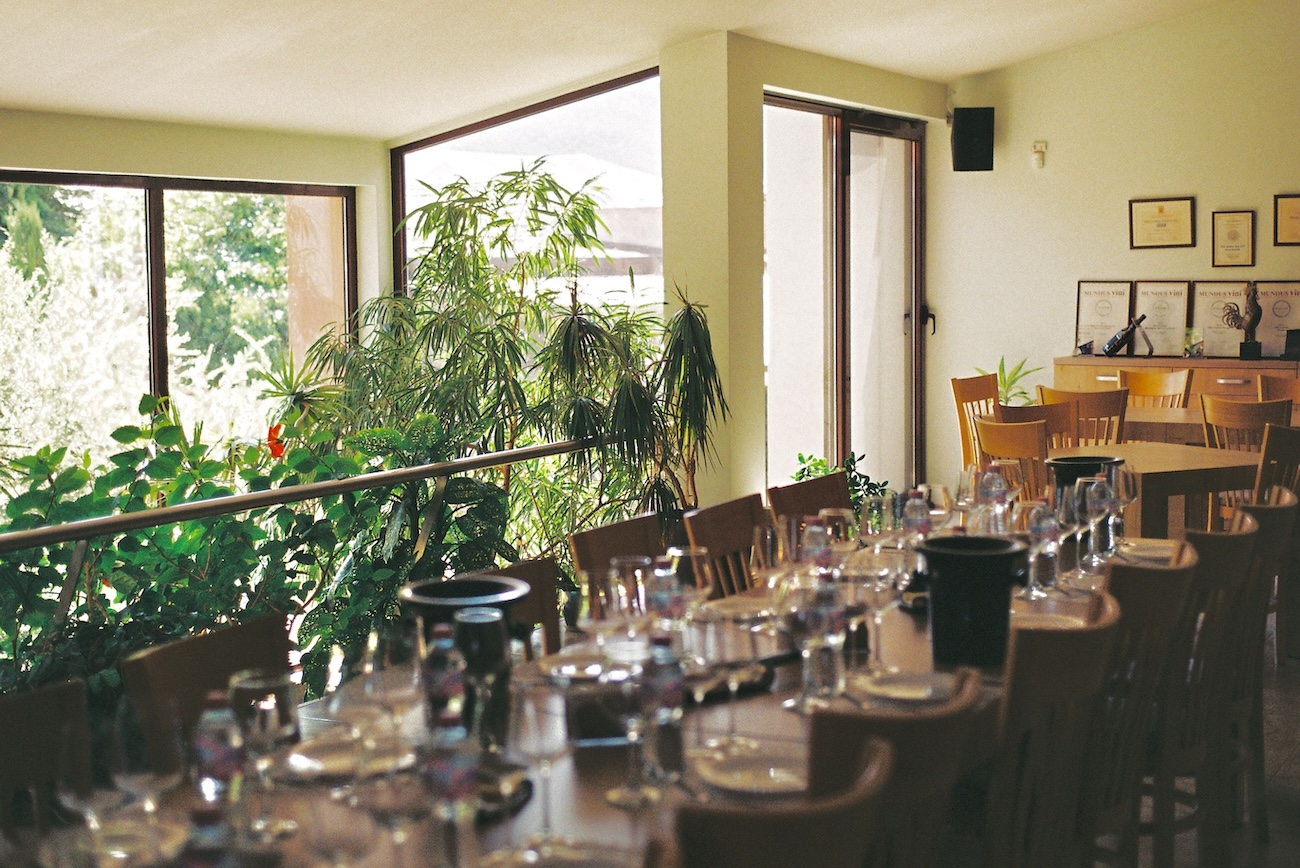
| Visitor experience | Frequently includes vineyard views and on-site production | Varies widely |
| Price positioning | Often higher | Broader range |
Choosing an estate winery often means you’re supporting a producer with deeper roots in the land.
How to Spot Real Estate Wines When You’re Visiting Niagara or PEC
Don’t just trust the winery name. Plenty of places include “Estate” in their title without every wine qualifying as Estate Bottled.
Practical tips:
- Look for the words “Estate Bottled” on the label (not just “Estate” in the winery name).
- Check for a clear VQA appellation or sub-appellation declaration.
- In the tasting room, ask a simple question: “Do you grow all the fruit for this particular wine?” Good staff will give you a direct answer.
- Be slightly skeptical of vague claims like “estate-inspired” or “from our estate vineyards” without the formal designation.
A well-run estate winery is usually happy to talk about its farming practices. That’s often a good sign you’re in the right place. While you’re exploring the region, you can easily pair a tasting with a walk at the Niagara Glen Nature Centre or stop by other local craft producers like Silversmith Brewery.
FAQ: Estate Wineries in Ontario
What is the difference between an estate winery and a regular winery?
An estate winery grows its own grapes and produces the wine on-site (or on land it controls). A regular winery may buy grapes or juice from other growers.
Does “Estate” in the winery name mean the wine is Estate Bottled?
No. The winery name is not regulated the same way. Always look for the actual “Estate Bottled” designation on the label.
Is Estate Bottled wine always better?
Not automatically. It signals greater control and often a stronger connection to place, but quality still depends on the grower and winemaker.
Can a winery use “Estate Bottled” if it leases the vineyard?
Under VQA rules, yes in principle if the winery controls the land, but there is a three-year restriction at the start of a leasehold.
How do Ontario rules differ from U.S. “Estate Bottled” rules?
The core idea is similar (own or control the fruit + produce and bottle on-site within the same region), but the specific legal language and exceptions (such as Vidal for Icewine) are different under VQA.
Are most Niagara wineries true estate operations?
Many of the better-known and quality-focused producers farm a significant portion (or all) of their fruit. However, not every wine from every estate winery qualifies as Estate Bottled. Always check the specific bottle.