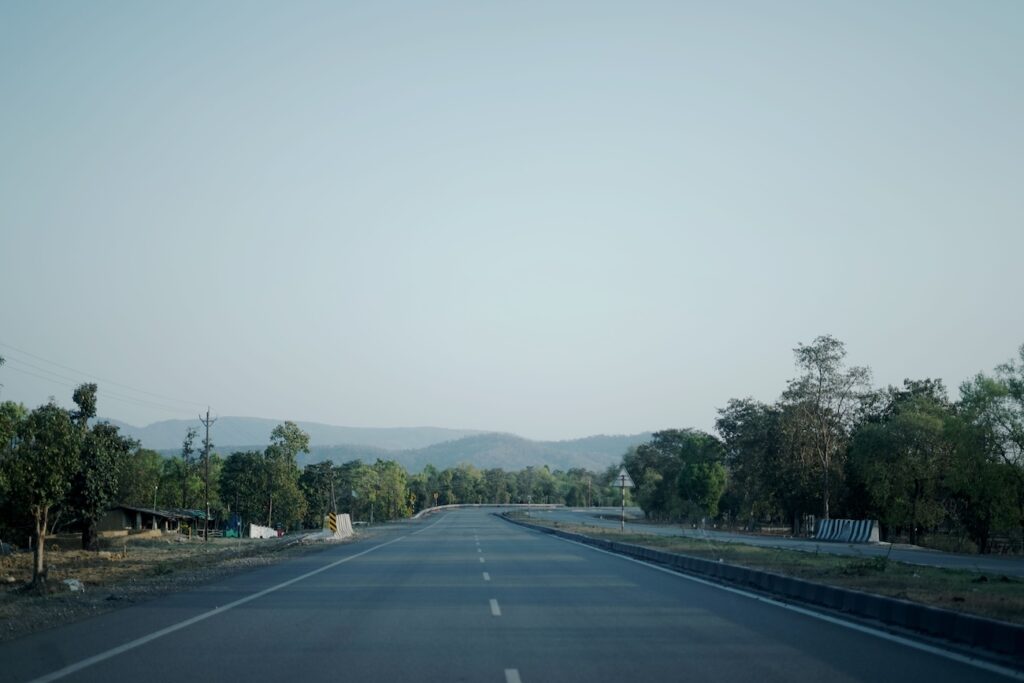
Driving from Sudbury to Thunder Bay is one of those classic Northern Ontario hauls. It’s long, mostly scenic once you hit Lake Superior, and very different from southern Ontario highway driving. If you’re planning it for 2026, here’s the honest, practical version — not the polished tourism brochure take. For more quiet corners across the province, see our guide to Ontario’s hidden gems for 2026.
Distance and Drive Time

The driving distance is approximately 1,003 km (623 miles).
Non-stop driving time sits around 11 hours and 3 minutes under ideal conditions. In reality, plan for 12–14 hours once you add gas, washroom breaks, photo stops, and the occasional construction or slow-moving vehicle. Pushing it in one day is doable but exhausting. Most people who enjoy the trip treat it as a two-day drive.
The main route follows Highway 17 (Trans-Canada) west the entire way. You’ll pass through Espanola, Blind River, Sault Ste. Marie, then hug the north shore of Lake Superior through Wawa, White River, Marathon, Terrace Bay, and Nipigon before rolling into Thunder Bay.
Recommended Approach: One Long Day vs Two Comfortable Days
One-day push Leave Sudbury early (6–7 a.m.). Expect to arrive in Thunder Bay late evening. Only do this if you’re a confident long-haul driver and conditions are good. Download offline maps and fill the tank whenever you see a station.
Two-day road trip (strongly recommended)
- Day 1: Sudbury → Sault Ste. Marie or further to Batchawana Bay / Agawa area (roughly 5–6.5 hours of driving). Overnight in the Sault or a lakeside spot.
- Day 2: Continue along the Superior north shore into Thunder Bay (another 6–7 hours with stops).
This pacing lets you actually see the landscape instead of just enduring it.
Best Stops Worth Making
You don’t need 30 pins. Here are the ones that consistently deliver:
Early section (Sudbury to Sault Ste. Marie)
- Chutes Provincial Park (near Massey) — quick waterfall stop and a good stretch.
- Blind River or Thessalon for gas and a coffee if needed.
Sault Ste. Marie Solid halfway mark. Grab food, walk the waterfront, or just refuel. It’s the last bigger service centre before the more remote stretch.
Lake Superior north shore highlights

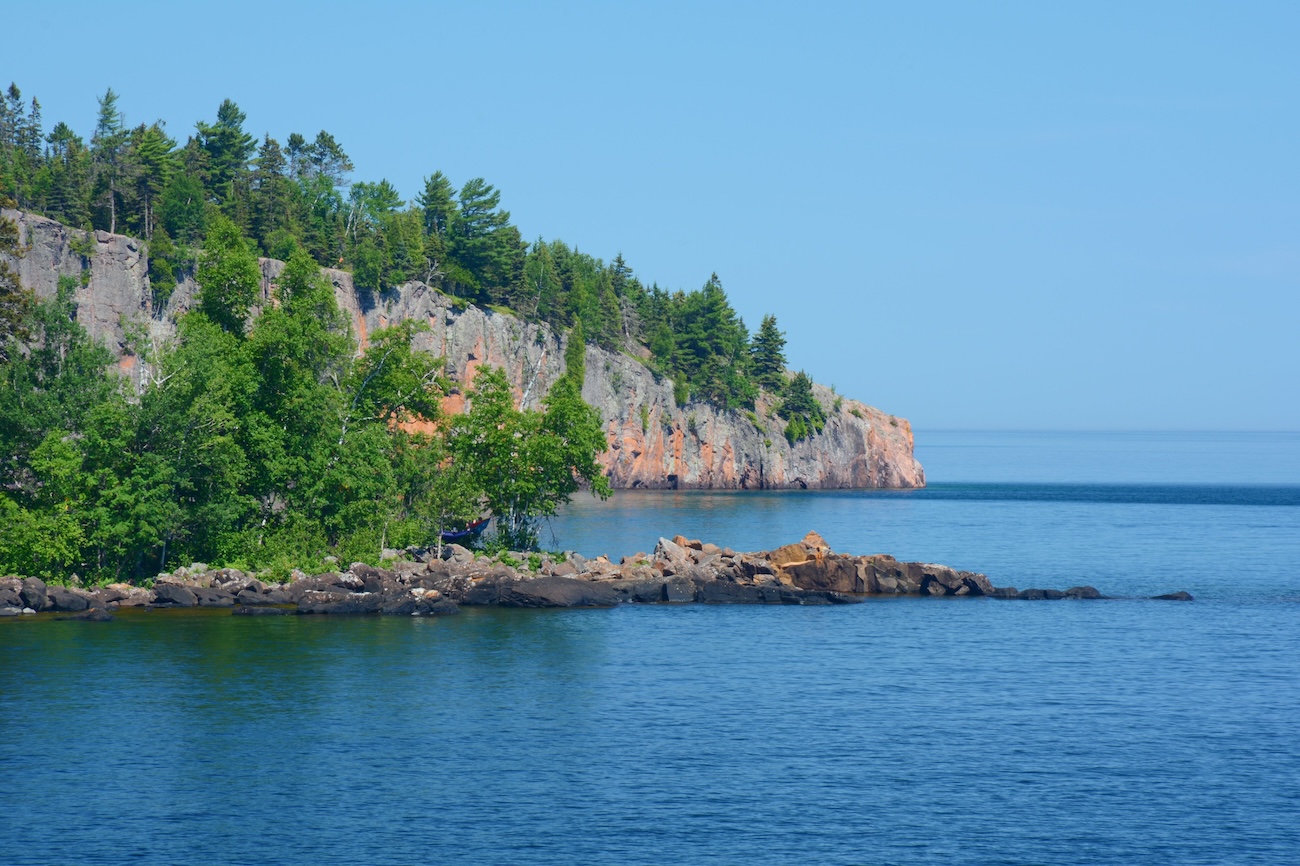
- Agawa Bay / Lake Superior Provincial Park — dramatic shoreline, pictographs (if accessible), and proper Superior views.
- Wawa — the giant Canada goose is still a classic photo stop. Gas and services available.
- White River — quiet, birthplace of the bear that inspired Winnie-the-Pooh. Good for a short break.
- Marathon and Terrace Bay — practical fuel and food stops with occasional lookouts.
- If you have extra time near Marathon, a worthwhile side trip is Pukaskwa National Park for rugged Superior coastline, hiking, and (in the right season) a chance at northern lights.
- Nipigon — last major town before Thunder Bay. Nice spot to stretch.
Near Thunder Bay
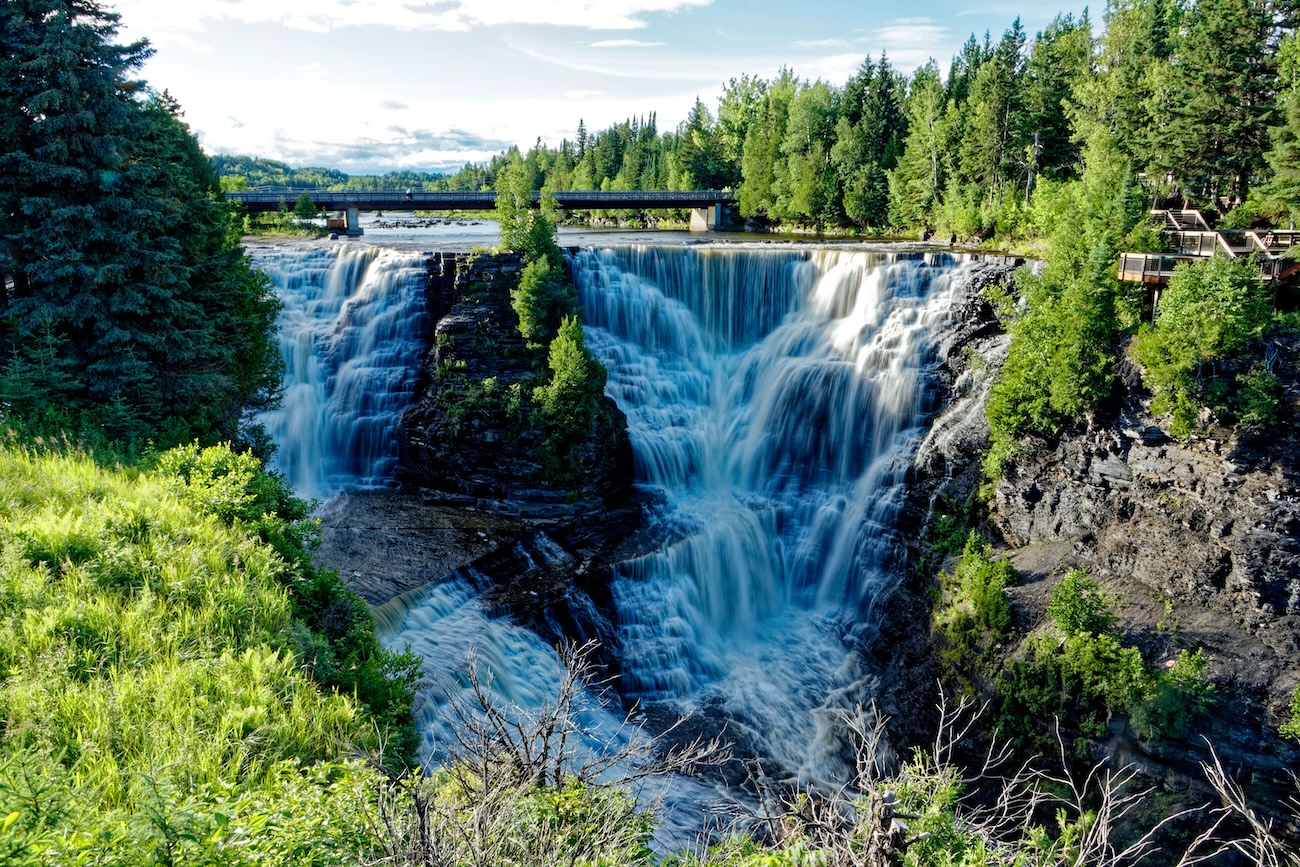
- Kakabeka Falls (about 30 km west of the city on Highway 11/17) — Ontario’s second-highest waterfall at 40 metres, often called the “Niagara of the North.” Easy boardwalk viewing platforms, day-use fee applies. Worth the short detour even if you’re tired.
Skip the endless side trips unless you have extra days. The best parts of this drive are the long Superior views and the feeling of remoteness.
Practical Tips for 2026
- Gas: Fill up in Sault Ste. Marie and again in Wawa or Marathon. Stations get farther apart on the north shore.
- Cell service: Spotty to non-existent in stretches between Sault Ste. Marie and Thunder Bay (especially White River–Wawa). Download offline maps and tell someone your plan.
- Wildlife: Moose are common, especially at dawn and dusk. Slow down in wooded sections.
- Road conditions: Always check Ontario 511 before you leave and during the trip. Construction and weather (particularly winter or shoulder seasons) can close or slow sections of Highway 17.
- Weather & seasons: Summer and early fall are ideal. Winter driving requires serious preparation — this is not southern Ontario.
- Fuel cost estimate: Roughly $130–160 one way depending on your vehicle and current prices (as of mid-2026 data points).
Alternatives if You Don’t Want to Drive
Ontario Northland bus Evening departures from Sudbury (around 6–6:30 p.m.), arriving in Thunder Bay the next morning. Travel time is typically 13 hours 45 minutes to about 14.5 hours. Tickets often run in the $115–145 range depending on the day. It’s reliable but long.
Flying Limited direct options exist between Sudbury (YSB) and Thunder Bay (YQT). Connecting flights via Toronto or other hubs are more common but add time and cost. Worth comparing if your schedule is tight.
FAQ – Sudbury to Thunder Bay
How long does it take to drive from Sudbury to Thunder Bay?
About 11 hours non-stop, realistically 12–14 hours with normal stops.
What is the distance?
Approximately 1,003 km / 623 miles via Highway 17.
Is the drive worth it?
Yes if you like big landscapes and don’t mind remote stretches. No if you hate long highway days.
Best overnight stop?
Sault Ste. Marie for services, or a quieter Superior shoreline spot if you prefer scenery.
Can I do it without a car?
Yes, Ontario Northland bus is the most straightforward option.
This route rewards people who slow down just enough to notice the change from the Shield around Sudbury to the open Superior shoreline. Fill the tank, watch for moose, check 511, and give yourself the extra day if you can. The north shore is better experienced than rushed.
Safe travels. Northern Ontario rewards preparation more than spee